
Shilajit is one of the most searched supplements among gym-goers in Pakistan, and it is easy to see why: it is sold as a natural, mineral-dense resin from the mountains, and it is far cheaper than most imported sports supplements. What is much harder to find is a straight answer about what it is, what the published research actually examines, and what — concretely — to check before you buy a jar in Karachi, Lahore or Islamabad.
This guide is written for people training for strength, size or endurance in Pakistan. It makes no claims about performance. It covers composition, what the literature looks at, serving practice, safety, and price per gram so you can compare fairly.
What is actually in shilajit
Shilajit is a resin that forms slowly in high mountain rock, created from compressed plant and microbial matter. In analytical terms, what a lab report measures is:
- Fulvic acid — the main marker buyers look at. Our resin is independently verified at 73% fulvic acid (Micro Quality Lab, California).
- Humic substances and 84+ trace minerals, naturally present in the raw material.
- Moisture and ash, which is why two jars of the same weight can differ in potency.
- Contaminants — lead, arsenic, cadmium, mercury, aflatoxins and microbes. These are the numbers that matter most, and the ones cheap sellers never publish.
What the published research actually examines
Shilajit has a long history of use in traditional practice, and it has been the subject of published laboratory and small clinical studies — several of them looking at exercise-related endpoints in healthy adults. We do not make health or performance claims for our product, and we would be cautious about any brand that does: in Pakistan, the UK and the EU, a food supplement may not be sold with claims to treat, cure or prevent a disease.
If you want to read the primary literature yourself, search PubMed for “shilajit” and “fulvic acid”. You will find small studies and reviews. Read the sample sizes and the limitations before drawing conclusions — this is an area with more tradition than large trials.
Why contamination matters more than anything else for athletes
If you train seriously, you already check the label of every protein powder and pre-workout for banned substances. Heavy-metal contamination is the same problem: a resin extracted poorly, or from a low-altitude or polluted source, can carry lead, arsenic or cadmium, and long-term exposure is a genuine health risk — not a theoretical one.
There are two practical filters:
- A named third-party lab on the report. PCSIR, Eurofins, Micro Quality Lab and similar labs are independent. A brand-produced “certificate” on its own letterhead is not the same thing.
- A batch number that matches your jar. A believable report belongs to a specific production run, not to a generic PDF. Our wholesale and retail pages publish the batch, the lab and the analysis date.
You can see exactly what a full panel looks like in the Quality & Certifications tab of our wholesale shilajit page — the Eurofins and PCSIR summaries are printed in full.
How much to take around training
The standard serving is 300–500 mg of resin per day — about a small pea — dissolved in warm water or milk. There is no established reason to take it in a “loading phase” or to increase the serving on training days. Practical notes:
- Take it with breakfast or after your workout rather than on a completely empty stomach if you are prone to reflux or stomach discomfort.
- Stay hydrated. A mineral-dense supplement is not a replacement for water, electrolytes or a proper diet.
- Keep the serving consistent and log nothing more complicated than that. Most people overcomplicate a 300 mg scoop.
- If you use our drops instead of resin, the label is 9 drops twice daily. Do not stack resin and drops.
Can you take shilajit with creatine, protein or pre-workout?
There is no known reason to separate shilajit from the rest of your stack — it is a food supplement taken by mouth, and people commonly take it alongside the usual gym products. What we cannot tell you is whether any specific interaction exists, because this has not been well studied. If you take prescription medication, or if you have a diagnosed condition, ask your doctor or pharmacist before adding anything, and bring the lab report with you so they can see the composition.
Price per gram: how to compare shilajit fairly in Pakistan
Jar sizes are marketed to look different rather than to be compared. Here is our current retail pricing, converted to price per gram, so you can compare any brand on the same basis:
| Size | Price | Price per gram |
|---|---|---|
| 10 g | Rs 1,500 | Rs 150/g |
| 20 g | Rs 2,900 | Rs 145/g |
| 30 g | Rs 4,000 | Rs 133/g |
| 50 g | Rs 7,100 | Rs 142/g |
| 100 g | Rs 12,900 | Rs 129/g |
When a competitor is dramatically cheaper per gram, one of three things is true: the resin is not from a high-altitude Himalayan source, it has been cut with fillers or heated-extraction material, or the brand has never paid for third-party testing. Ask for the report before you ask for a discount.
Where to buy in Pakistan
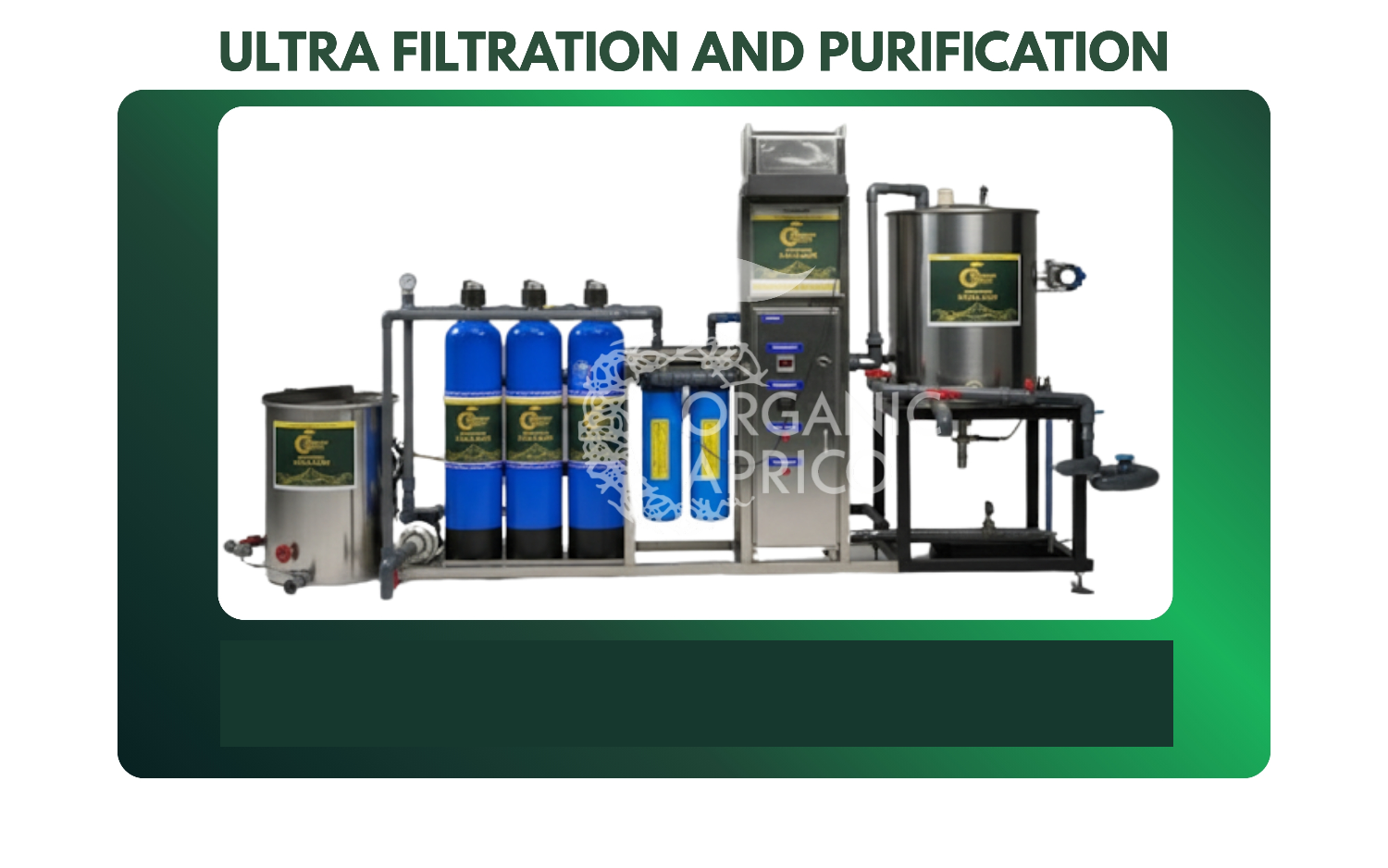
We extract above 17,000 ft in Skardu, purify at our own facility in Lahore, and sell direct — there is no importer or distributor margin in our price. Orders ship nationwide with cash on delivery, and you can visit the purification unit in Lahore to see the process and the resin for yourself. Our full range is on the shilajit resin price page.
Frequently asked questions
Should I take shilajit before or after the gym?
Either. There is no research establishing an optimal window around training, so choose whichever you will consistently remember — most people take it with breakfast.
Do I need a bigger serving because I train hard?
No. The labelled serving is not weight-based, and there is no evidence that larger doses do more. If you are eating and sleeping properly, you are covering the factors that actually move performance.
Is shilajit a steroid or a banned substance?
No. Shilajit is a mineral-rich food supplement of plant and microbial origin; it is not a hormone or a pharmaceutical. The realistic banned-substance risk in this category is contamination in badly made products, which is why third-party heavy-metal and microbiology panels matter.
How long before I notice anything?
We cannot tell you what you should feel, and we do not make outcome claims. Whether you notice anything at all is individual, and a supplement is never a substitute for training, food and sleep.
The athlete’s checklist
- Third-party lab name on the report, not just a logo.
- Batch number on your jar that matches the report.
- Fulvic acid percentage stated openly — ours is 73%.
- Heavy metals and microbiology results published, not summarised.
- Serving clearly labelled in milligrams.
- Price per gram, calculated before you buy.
Shilajit is a food supplement, not a medicine. It is not intended to diagnose, treat, cure or prevent any disease. Speak to a qualified healthcare professional before use if you are pregnant, breastfeeding, taking medication, or managing a medical condition.